
State guide
Bulkheads & Seawalls in New York
How bulkhead and seawall work is regulated along New York's tidal shorelines, with DEC permit programs, underwater land, Corps review and local permits.
Last reviewed by the Bulkhead Walls Editorial Team
Overview
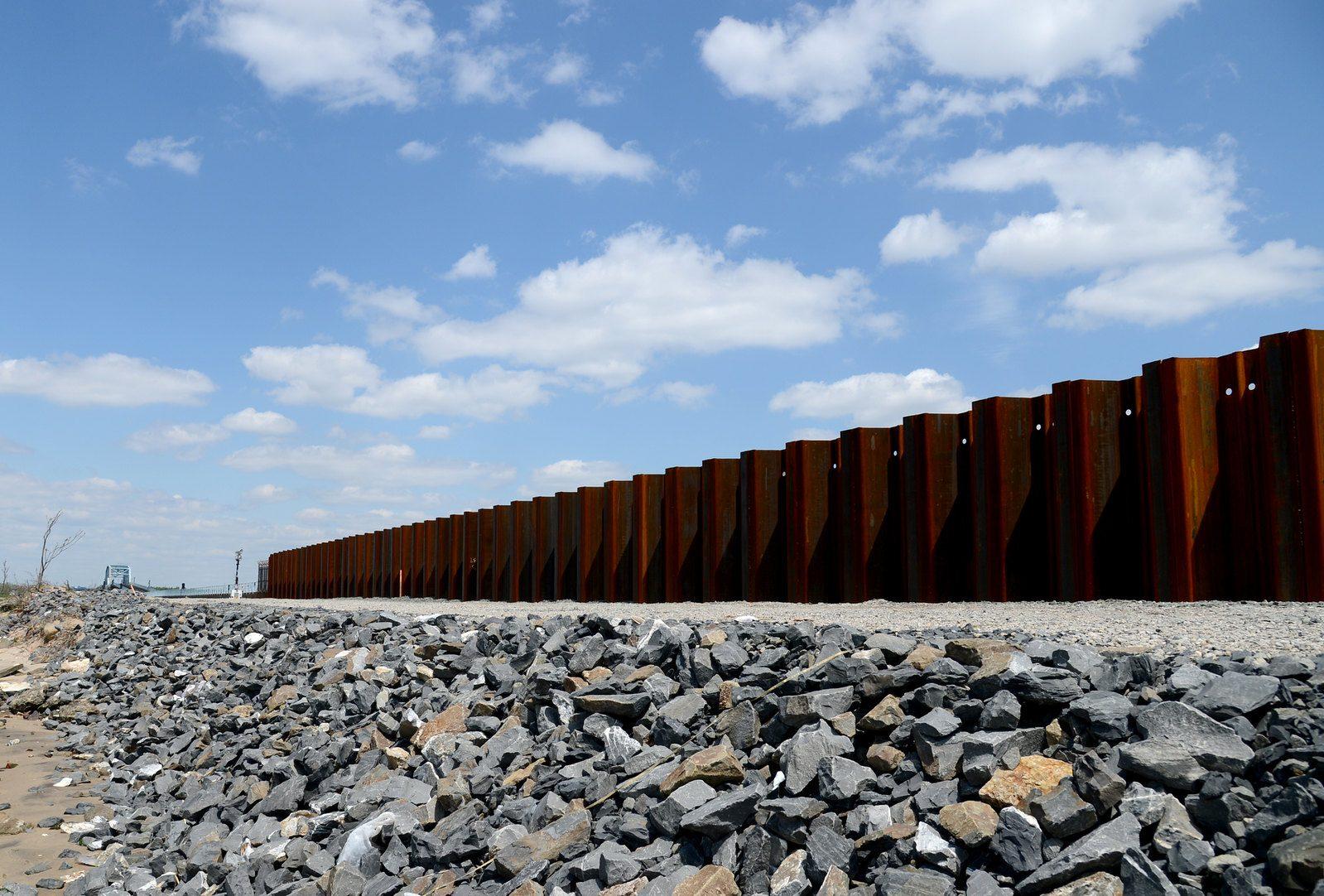
In New York, bulkhead work on tidal shorelines is commonly reviewed by the Department of Environmental Conservation, the U.S. Army Corps of Engineers and the town, village or city. DEC's tidal wetlands program lists bulkheads and sea walls as regulated activities, and its jurisdiction can extend up to 300 feet inland from a tidal wetland.
- Communities covered
- Long Island, Nassau County, Suffolk County, New York City, Westchester County
- Waterbodies
- Atlantic Ocean, Long Island Sound, Great South Bay, Hempstead Bay, Hudson River estuary
- Water types
- saltwater, brackish, tidal
Key local considerations
- DEC tidal wetland adjacent areas extend up to 300 feet inland, or up to 150 feet within New York City.
- Coastal Erosion Hazard Areas along the Atlantic Ocean and Long Island Sound have separate permit rules.
- State-owned lands under water are managed by the Office of General Services.
- Towns and villages run their own waterways and building permit programs.
New York's tidal shoreline runs from the Atlantic beaches and back bays of Long Island through New York Harbor and up the Hudson River estuary. This page summarizes the statewide permitting picture. For conditions on the South Shore, see the Long Island regional page.
How bulkhead work is typically regulated
Shoreline wall projects in New York commonly touch several agencies. Which ones apply depends on the location and the work, so treat the table as a starting point for research.
| Agency or program | What it commonly covers |
|---|---|
| DEC Tidal Wetlands Permit Program | Activities in tidal wetlands and adjacent areas, including bulkheads, sea walls, retaining walls, riprap and gabions |
| DEC Protection of Waters Program | Excavation or fill in navigable waters below mean high water, some docking and mooring facilities, and state water quality certification |
| DEC Coastal Erosion Management Permit Program | Construction and land disturbance in designated Coastal Erosion Hazard Areas |
| NYS Office of General Services | Licenses, easements and grants for use of state-owned lands under water |
| NYS Department of State | Coastal Management Program, including consistency review of federally permitted projects |
| U.S. Army Corps of Engineers, New York District | Federal permits for work in waters of the United States |
| Town, village or city | Building and waterways permits, which vary by municipality |
Our Permit Navigator links to each of these.
Tidal wetlands and adjacent areas
DEC administers a permit program for activities in tidal wetlands and in their adjacent areas, which extend up to 300 feet inland from the wetland boundary, or up to 150 feet inland within New York City. DEC states that it requires a permit for almost any activity that will alter wetlands or adjacent areas. Its list of regulated activities includes bulkheads, sea walls, retaining walls, riprap and gabions. The official tidal wetlands maps are on file at DEC's regional offices and county clerks' offices in the affected counties.
DEC's use guidelines distinguish types of bulkhead work. In-kind and in-place replacement of existing functional bulkheads is listed separately from construction of bulkheads or other shoreline stabilization in vegetated tidal wetlands. How a particular project is classified is DEC's determination.
Coastal Erosion Hazard Areas
Along the Atlantic Ocean, Long Island Sound and the Great Lakes, DEC designates Coastal Erosion Hazard Areas made up of Natural Protective Feature Areas and Structural Hazard Areas. Some communities are certified to administer the program locally; in others, DEC administers it. DEC notes that some actions may be restricted or prohibited to protect natural protective features or reduce erosion impacts.
Federal review
DEC notes that the U.S. Army Corps of Engineers also has jurisdiction over most tidal wetlands and that a Corps permit may be required whether or not DEC requires one. Federal permits can also trigger state coastal consistency review by the Department of State.
Local permits
Local requirements vary widely. On Long Island, towns and incorporated villages run their own waterways and building permit programs. The Town of Hempstead, for example, issues Structures in Waterways permits for bulkheads and asks for a NYSDEC approval letter as part of the application. Contact the municipality where the property is located early in planning.
Conditions that shape walls in New York
Tide range varies sharply across the state's coast. NOAA datums show about 7 feet of mean range at Kings Point on western Long Island Sound, around 4 feet near the South Shore inlets and about 1 foot deep in the Great South Bay. Hurricane Sandy in 2012 produced record storm tides in parts of New York, and the National Hurricane Center documented several feet of inundation on Long Island's South Shore. The Long Island page covers those details.
Where to go next
- Bulkhead permit guide
- Signs of bulkhead failure
- Bulkhead repair vs. replacement
- Timber bulkheads and vinyl bulkheads
This page is educational. DEC, the Corps and local governments decide what a specific project requires, and a licensed marine contractor or professional engineer can assess a specific wall.
Frequently asked questions
Which state agency regulates bulkheads in New York?
The Department of Environmental Conservation is the main state permitting agency, through its Tidal Wetlands, Protection of Waters and Coastal Erosion Management programs. The Office of General Services handles use of state-owned underwater land.
Where are New York's tidal wetlands?
DEC says tidal wetlands line much of the salt water shore, bays, inlets, canals and estuaries of Long Island, New York City and Westchester County, and parts of the Hudson River in Westchester and Rockland counties up to the salt line.
Is a Corps of Engineers permit separate from DEC?
Yes. DEC notes that the Corps has its own jurisdiction and that a Corps permit may be required whether or not DEC requires one.
Sources
- 1Waterways, Coastlines & Wetlands Permits — NYS Department of Environmental Conservation. Accessed November 3, 2026.
- 2Tidal Wetlands Permit Program — NYS Department of Environmental Conservation. Accessed November 3, 2026.
- 3Protection of Waters Program — NYS Department of Environmental Conservation. Accessed November 3, 2026.
- 4Coastal Erosion Management Permit Program — NYS Department of Environmental Conservation. Accessed November 3, 2026.
- 5Lands Now or Formerly Underwater — NYS Office of General Services. Accessed November 3, 2026.
- 6Coastal Management — NYS Department of State. Accessed November 3, 2026.
- 7Structures in Waterways — Town of Hempstead. Accessed November 3, 2026.
- 8Tropical Cyclone Report: Hurricane Sandy (AL182012) — NOAA National Hurricane Center. Accessed November 3, 2026.
- 9Datums for 8516945, Kings Point, NY — NOAA Tides & Currents. Accessed November 3, 2026.
- 10Datums for 8514322, Patchogue, NY — NOAA Tides & Currents. Accessed November 3, 2026.
Educational guidance only. This information is general and is not a structural assessment, engineering advice, or a permitting determination. Conditions at every waterfront are different; consult a licensed marine contractor or professional engineer about your wall.